



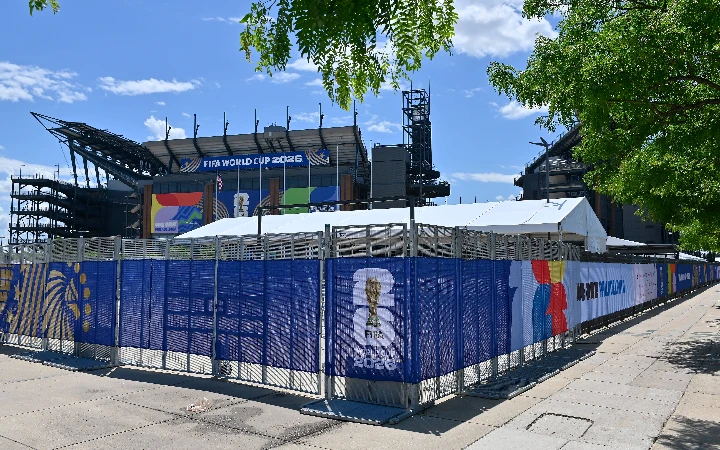
FIFA faces investigation from New York and New Jersey over World Cup 2026 ticket prices, seat allocations and dynamic pricing.
FIFA is facing growing scrutiny over its ticketing practices for the 2026 World Cup after authorities in New York and New Jersey launched an official investigation. Concerns over soaring prices, misleading seat allocations and dynamic pricing have placed world football’s governing body under intense pressure just weeks before the tournament begins.
The investigation centres on matches scheduled at MetLife Stadium in New Jersey, including the World Cup final on July 19. Attorneys general from both states have subpoenaed FIFA and demanded internal information regarding ticket sales and pricing structures.
New York Attorney General Letitia James and New Jersey Attorney General Jennifer Davenport announced the investigation on Wednesday. They said fans deserved transparency and fairness when purchasing tickets for football’s biggest tournament. Officials are examining allegations that FIFA artificially inflated prices and created confusion around seating categories. Some supporters reportedly paid for premium Category 1 seats but later discovered they had been placed further back in Category 2 sections.
The investigation will also focus on FIFA’s release strategy for tickets. Authorities want to know whether public statements about demand and limited availability influenced supporters into paying higher prices. Davenport described the process as a “gauntlet of confusion, fake scarcity and impossibly high prices”. James added that local supporters should have “a fair shot at affordable tickets”.
The 2026 tournament marks the first World Cup to use dynamic pricing on such a large scale. Under the system, ticket costs rise or fall depending on demand, inventory levels and match popularity. Fan groups and lawmakers have heavily criticised the approach in recent months. Reports claim prices for around 90 of the 104 matches increased by an average of 34 percent between October and April.
FIFA has defended the pricing structure by pointing to extraordinary demand for the competition. President Gianni Infantino recently claimed the expanded 48-team tournament had already generated around 500 million ticket requests worldwide. However, availability figures have raised fresh questions. As of this week, tickets remained available at face value for 86 matches, including most group-stage fixtures.
The controversy has become particularly heated around games in New Jersey. MetLife Stadium will host eight World Cup matches, including the final, making it one of the tournament’s central venues.
Another major issue involves how seats were allocated after FIFA altered its ticket categories. During the initial sales phase, supporters selected seats from four standard pricing bands. FIFA later introduced more expensive “Front Category” tickets closer to the pitch. Critics argue fans who bought early were excluded from these prime locations despite already paying premium prices.
Several supporters also complained that their assigned seats did not match the sections they originally selected. Authorities say they will investigate whether consumers were misled during the purchasing process. California Attorney General Rob Bonta previously raised similar concerns earlier this month. His office requested information about ticket sales for matches in Los Angeles and Santa Clara.
Ticket prices are not the only source of tension between local authorities and FIFA. Transport costs around the tournament have also caused backlash among supporters.
New Jersey governor Mikie Sherrill recently criticised FIFA over rail pricing plans for fans travelling to MetLife Stadium. A return train fare from Manhattan was initially priced at $150 before being reduced to $98 following public criticism. The same journey usually costs around $12.90 outside tournament periods. Local officials insisted taxpayers should not bear the burden of inflated transport expenses linked to the competition.
FIFA has so far declined to comment publicly on the investigation. The organisation must now provide documents and information requested through the subpoenas issued by both states. The 2026 World Cup begins on June 11 across the United States, Canada and Mexico. Despite the growing controversy, organisers still expect record-breaking attendance throughout the tournament.


